Temperature Swings and Your Roof: Why Rapid Freeze-Thaw Cycles Are Harder on Asphalt than Rubber
Temperature Swings and Your Roof: Why Rapid Freeze-Thaw Cycles Are Harder on Asphalt than Rubber
In Calgary, where Euroshield® was born, locals know the “Snow Eater”: the Chinook wind that can take a morning from -25°C to +10°C by lunch. It is dramatic weather, and it is also a preview of what roofs across the northern United States and Canada endure every year in slower motion: the freeze-thaw cycle.
Whether it arrives as a Chinook, a January thaw in the Midwest, or a spring whiplash in the Rockies, rapid temperature swings are among the most destructive forces a residential roof faces. And not all materials handle it the same way.
What Thermal Shock Does to a Roof
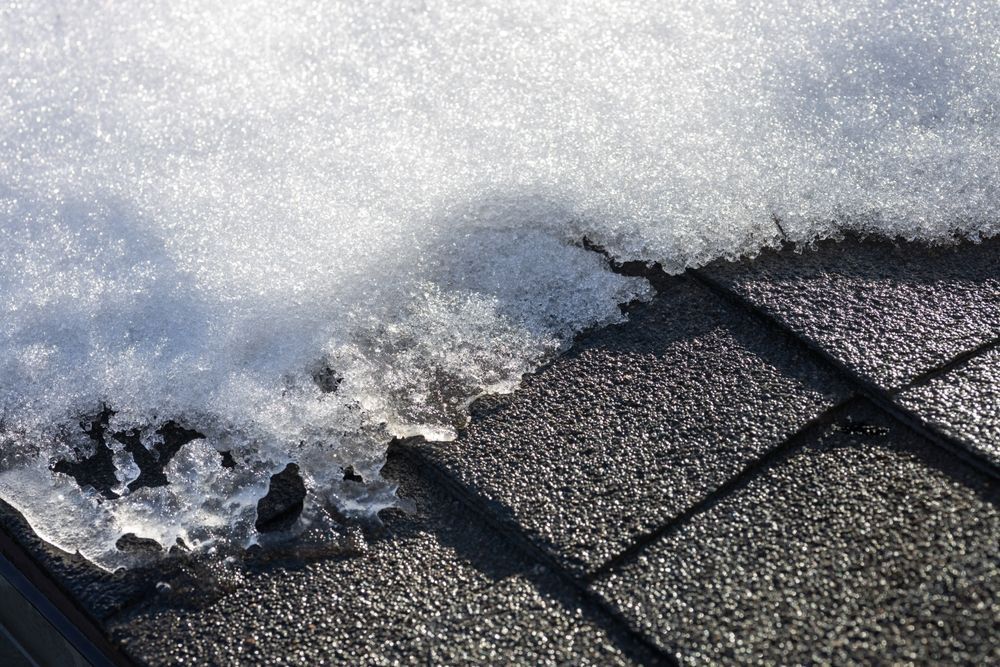
Materials expand when they warm and contract when they cool. When that swing is large and fast, the roof experiences thermal shock, an accordion effect that happens dozens of times each winter in swing-prone climates. Every cycle works the material a little harder, fatiguing it far faster than its rated lifespan suggests.
Why Asphalt Struggles
Asphalt shingles stay flexible thanks to internal oils. Sun, UV, and dry air evaporate those oils over time, and an aging shingle loses its ability to move with the temperature:
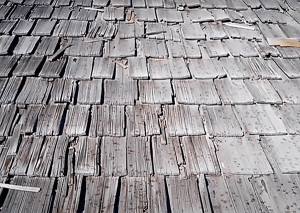
- Cracking and curling. A rigid shingle cannot handle rapid expansion. It splits, and meltwater finds the split.
- The freeze-pry cycle. Water that seeps under a cracked shingle refreezes at night, expands, and pries the shingle further from the deck. Repeat all winter.
- Granule loss. Mechanical stress loosens the protective granules that block UV. The shingle becomes brittle just in time for hail season.
This is a major reason traditional roofs last 12 to 15 years and why, in hard-swing climates, many fail even sooner.
Why Rubber Thrives
Think about what a tire does: it stays flexible at -40°C and holds together on scorching summer pavement, flexing millions of times along the way. Euroshield shingles are manufactured from that same class of material, with 70% recycled tire content.
- Molecular memory. Rubber expands and contracts with changes in temperature and returns to its original shape without losing structural integrity. There are no oils to dry out and no granules to shed.
- An interlocking system. Euroshield panels lock together, so thermal movement does not open gaps or compromise the watertight seal, and the same design delivers superior wind performance during gusts that accompany big temperature swings.
- Built-in thermal break. Air pockets on the underside of the panels help stabilize attic temperatures through the swings, easing the load on both the roof and the furnace.
The Bonus Round: Hail and UV
Freeze-thaw climates tend to be hail climates, and a roof weakened by winter meets the storm season at its worst. Every Euroshield profile carries the Class 4 UL 2218 impact rating, the industry’s highest, and our Vermont Slate HP is factory-warranted against hail of any size for 20 years. The carbon black in the material also absorbs damaging UV rays, which break down most roofing at altitude and in strong sun.
Common Questions
Can I walk on it? Yes, in any temperature. It is one of the few premium roofs you can walk on without fear of cracking anything, which makes gutter cleaning and holiday lights far safer.
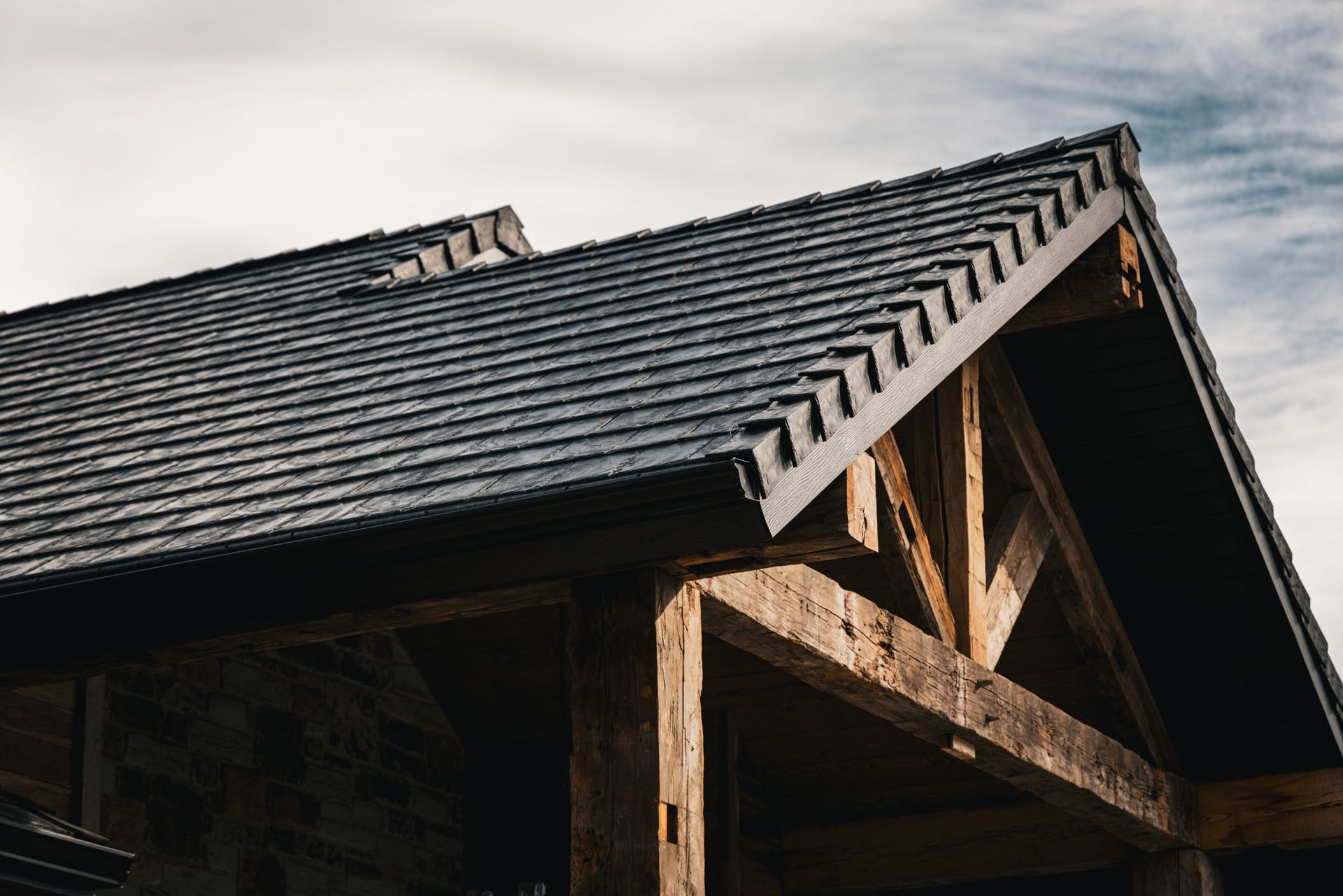
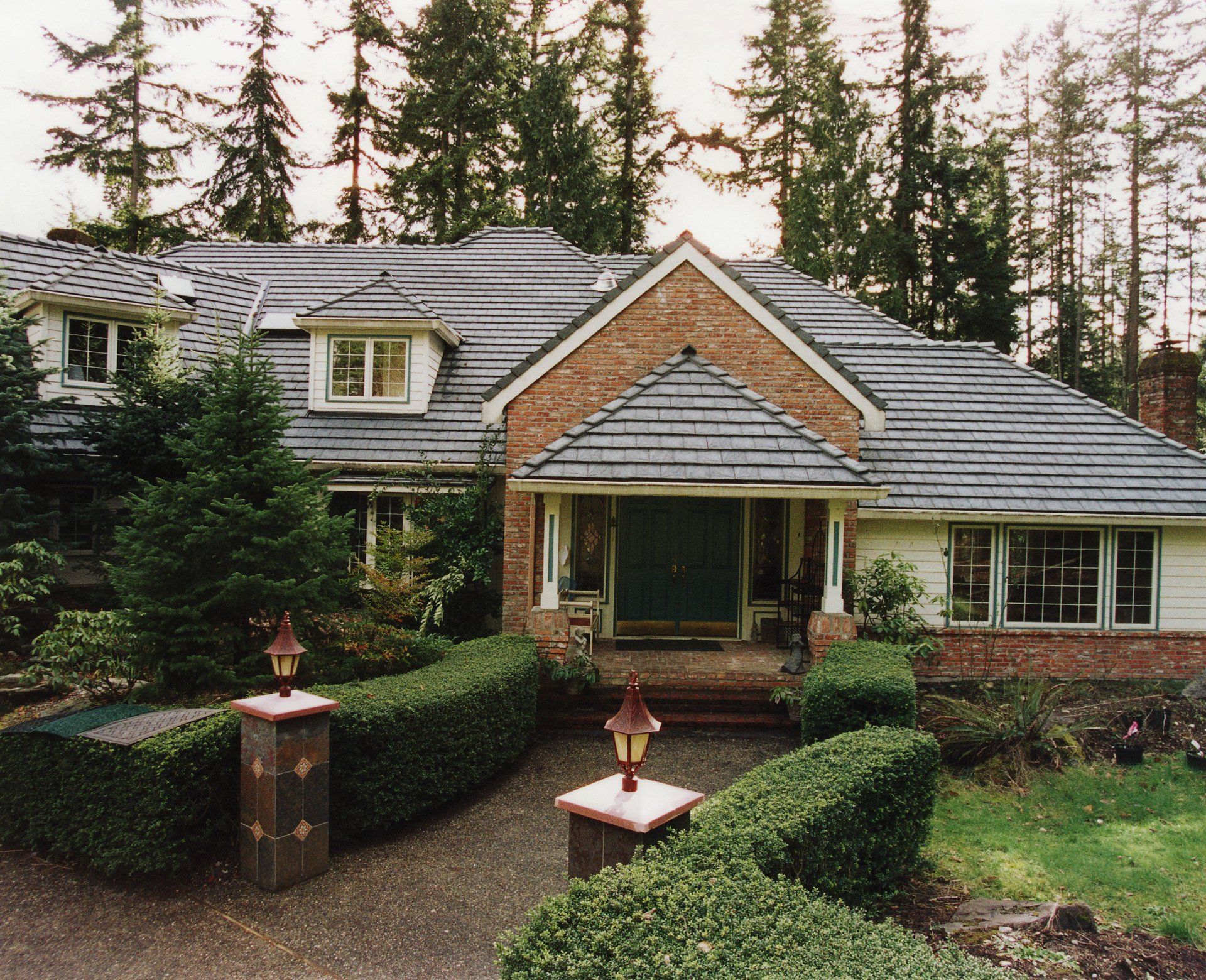
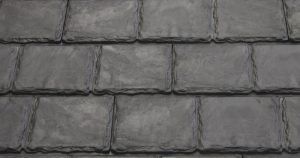
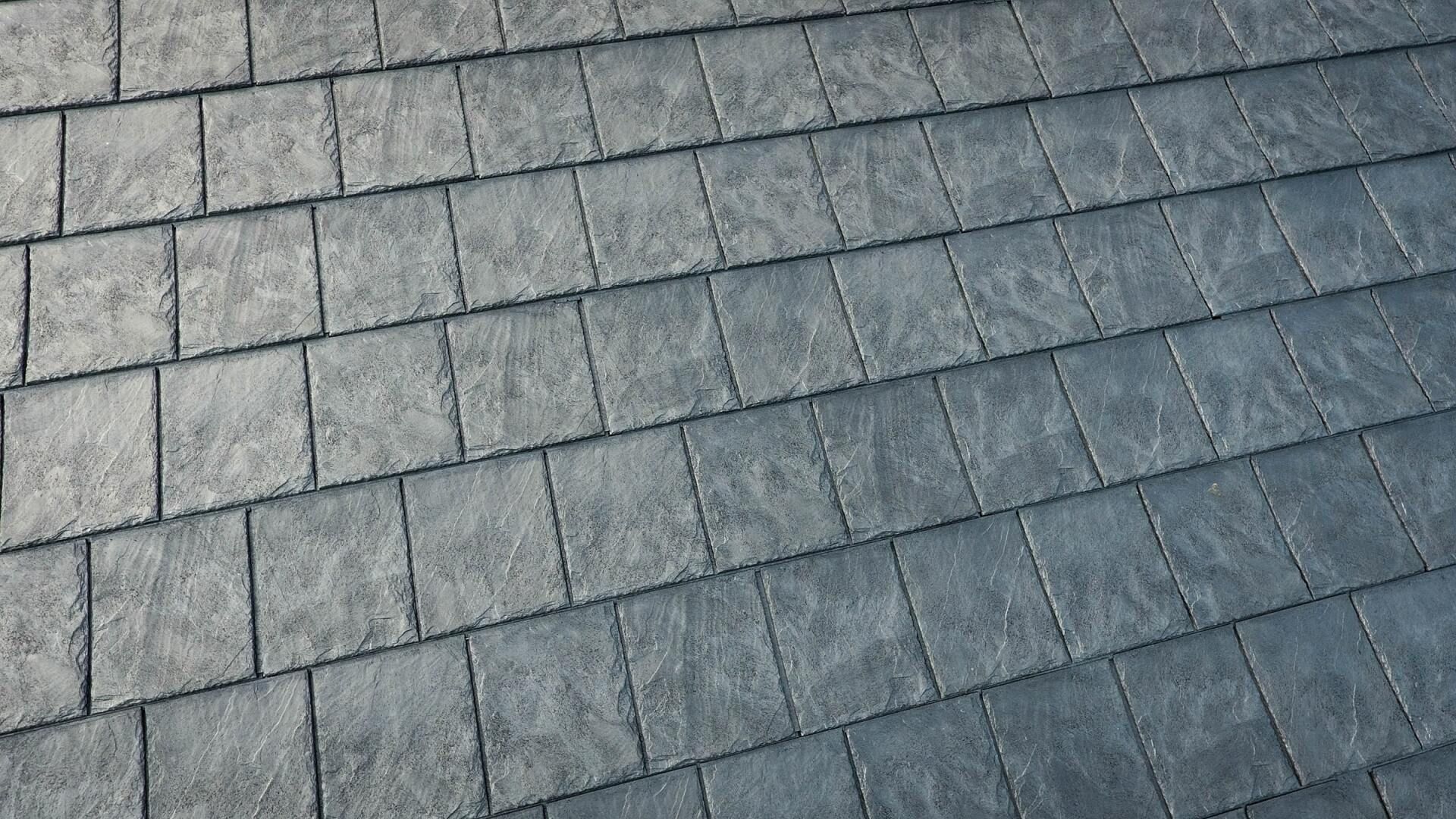
Does it look fake up close? Euroshield profiles are molded from real wood and stone masters. From the curb, and usually from the ladder, Beaumont Shake and Vermont Slate are indistinguishable from the materials they replicate.
Built Where the Weather Is Worst
Your climate is not going to calm down. The question is whether your roof fights the temperature swings until it breaks, or moves with them for decades. Euroshield was engineered in one of the harshest swing climates on the continent, and it is backed by a 50-year warranty for exactly that reason.
Tired of re-roofing every hail season?
Find a Euroshield installer near you or
request an estimate.