Hail Damage Roof: How to Identify Storm Damage and Protect Your Home Long-Term
How Calgary, Alberta Homeowners Can Identify Storm Damage On Their Roofs
Hailstorms are becoming more frequent—and more destructive—across North America. From Texas and Oklahoma to the Midwest and into Canada, homeowners are increasingly dealing with roof damage caused by fast-moving, irregular chunks of ice.
If you’ve ever heard hail hammering your roof, you know the concern that follows: Did it cause damage? How serious is it? Will I need repairs—or a full replacement?
Hail damage to a roof isn’t always obvious, and in many cases, the most serious problems develop weeks or even months after the storm. This guide explains how hail impacts different roofing materials, how to recognize early warning signs, and why some roofs fail repeatedly while others are built to last.
Why Hail Damage to Your Roof Should Never Be Ignored
Hailstones don’t need to be massive to cause harm. Even smaller stones, when driven by high winds, can strike roofing materials at speeds exceeding 80 mph. The result is often subtle but destructive damage that compromises your roof’s protective layers.
One of the biggest challenges with roof hail damage is that it’s frequently hidden from view. A roof can appear intact from the ground while suffering from:
-Broken seals between materials
-Cracked or bruised surfaces
-Exposed underlayment
Over time, moisture finds its way into these weak points, leading to leaks, insulation damage, mold growth, and costly interior repairs.
Signs of Hail Damage on Different Roof Types
Not all roofs react to hail the same way. Knowing what to look for based on your roofing material can help you catch problems early.
Hail Damage on Asphalt Shingle Roofs
Asphalt shingles remain one of the most common roofing choices—but they’re also among the most susceptible to hail damage.
Common signs include:
Bruising: Soft, dark spots where protective granules have been knocked loose
Granule loss: Excess granules collecting in gutters or downspouts
Exposed substrate: Black or shiny areas where the asphalt beneath is visible
Why it matters: Granules protect shingles from UV radiation. Once they’re gone, shingles age rapidly, become brittle, and lose their waterproofing ability.
Hail Damage on Metal Roofs
Metal roofs are known for durability, but hail can still leave lasting marks.
What to look for:
-Dents and dimples across panels, flashing, and ridge caps
-Scratches or scouring that strip protective coatings
Why it matters: While some dents are cosmetic, deeper impacts can cause water to pool, strain seams, expose fasteners, and eventually lead to rust and leaks.
Hail Damage on Concrete or Clay Tile Roofs
Concrete and clay tiles may look solid, but their rigidity makes them vulnerable to impact.
Signs of damage include:
-Chips or cracks along tile edges
-Spiderweb fractures at impact points
-Clean “spatter” marks where debris was knocked away
Why it matters: A cracked tile is no longer waterproof. Water can penetrate immediately into the layers beneath, leading to rot and structural damage.Walking on tile roofs can cause additional breakage—inspection should be handled carefully or by a professional.
Hail Damage on Wood Shake (Cedar) Roofs
Cedar shake roofs offer natural beauty but limited hail resistance.
Look for:
-Fresh splits with orange or brown coloring inside the wood
-Sharp dents or splintering caused by direct impact
Why it matters: Splits allow moisture intrusion, accelerating decay, mold growth, and eventual roof failure.
How to Perform a Basic Roof Hail Damage Inspection
Safety note: Roof inspections can be dangerous. Professional inspections are recommended. If inspecting yourself, remain on the ground and use binoculars.
Before examining your roof, check for ground-level damage, which often indicates roof impact as well:
-Dented gutters and downspouts
-Crushed air-conditioning fins
-Cracked siding, chipped paint, or damaged outdoor fixtures
If you notice damage, document it with photos, note the storm date and time, and contact your insurance provider to request a professional assessment.
What to Do If You Suspect Roof Hail Damage
If you believe your roof was damaged:
-Photograph visible signs of impact
-Record storm details (date, hail size, duration)
-Notify your insurance company promptly
-Schedule a professional roof inspection
Delaying repairs can allow minor damage to escalate into major structural issues—and may complicate insurance coverage.
Understanding “Impact-Resistant” Roofing Ratings
Many homeowners upgrade to impact-resistant roofing after experiencing hail damage. These products are often labeled Class 4, the highest impact rating under UL 2218 testing.
However, it’s important to understand what that rating actually means.
The test involves dropping a smooth steel ball onto roofing materials from a set height. If the material doesn’t crack, it passes.
The limitation: Real hail is irregular, jagged, and driven by wind at unpredictable speeds. In real storms, many Class 4 asphalt shingles still experience bruising and granule loss.
Impact-resistant does not mean hail-proof.
Why Rubber Roofing Excels in Hail-Prone Regions
For homeowners tired of repeated repairs and insurance claims, rubber roofing offers a fundamentally different approach.
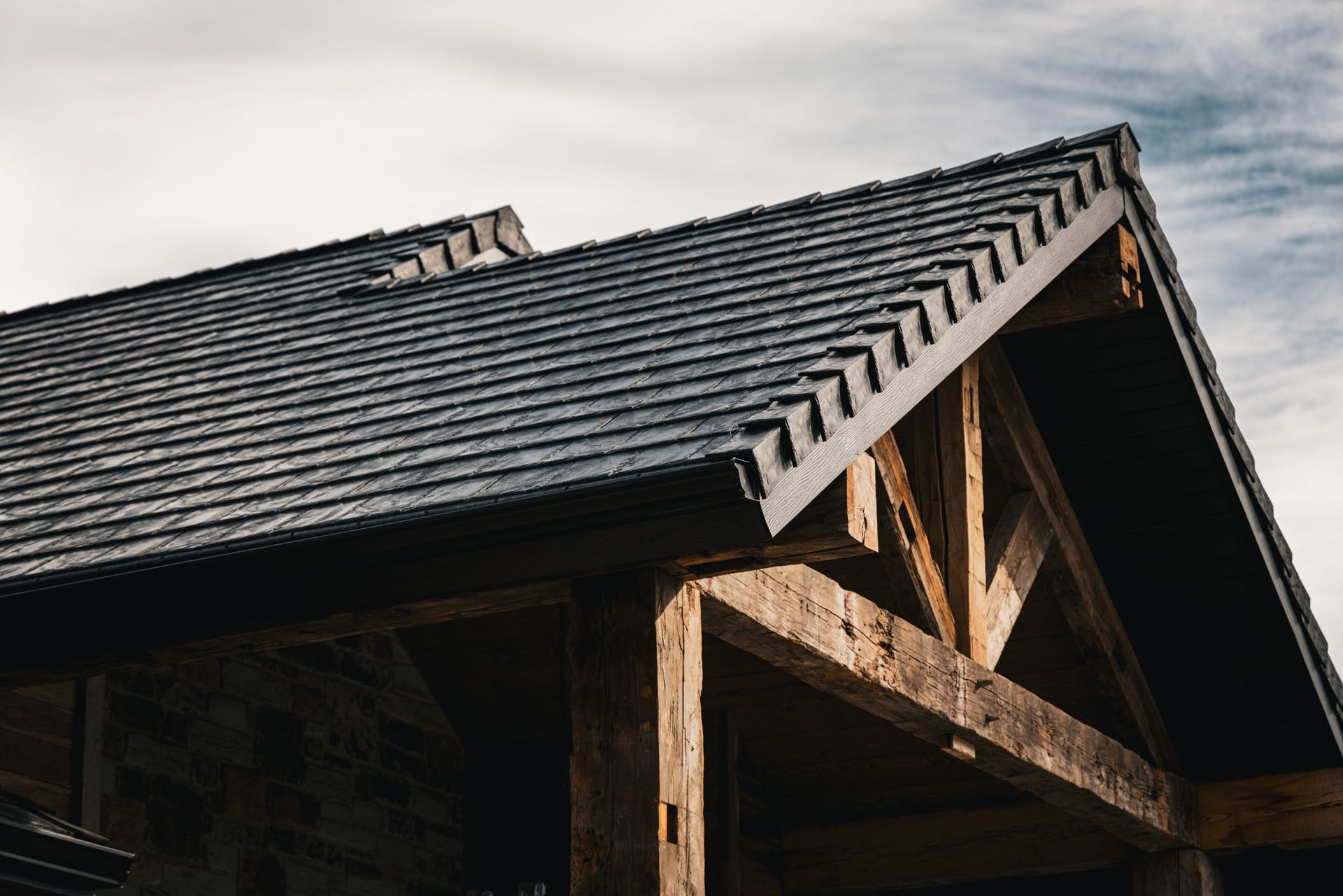
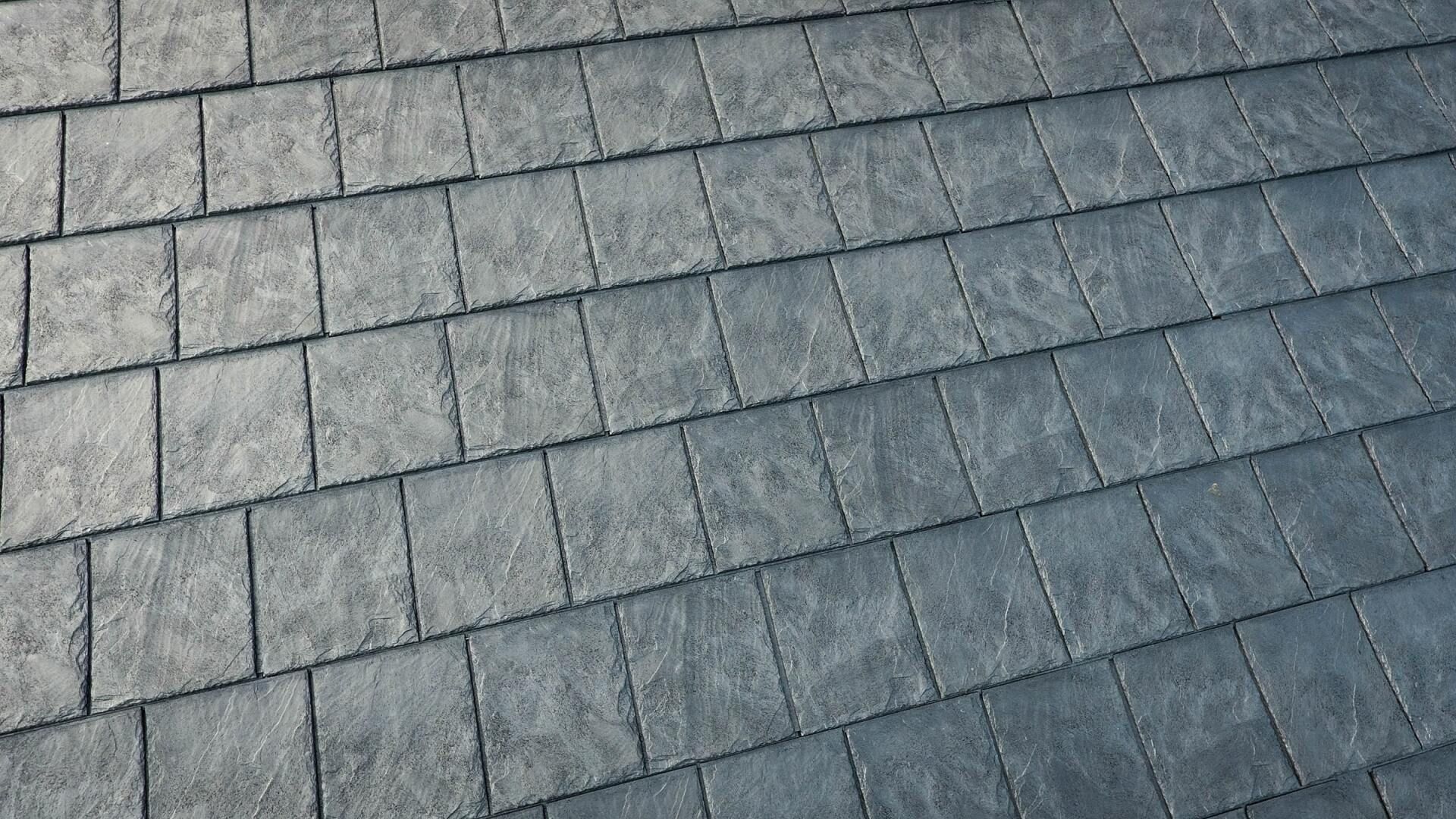
Euroshield® rubber roofing is manufactured using approximately 95% recycled tire rubber, a material designed to absorb impact rather than fracture under stress. Unlike rigid roofing materials, rubber flexes when struck—allowing it to bounce back without damage.
The Advantages of Rubber Roofing for Hail Protection
-Exceptional impact performance: Vermont Slate HP panels tested with 4-inch simulated hail at 183 mph with zero damage
-Long-term warranties: Coverage against hail of any size for 20 years, plus extended protection for decades beyond
-Eco-friendly construction: Hundreds of tires diverted from landfills per roof
-Premium appearance: Slate and shake aesthetics without fragility or frequent maintenance
In regions commonly known as “Hail Alley,” a roof that merely resists impact may not be enough. A roof designed to absorb and survive hail is a smarter long-term investment.
A Smarter Way to Protect Your Roof from Hail Damage
Hail damage doesn’t have to be a recurring headache. While traditional roofing materials often require ongoing inspections, repairs, and replacements, modern rubber roofing provides a durable alternative built for extreme weather.
If you live in a hail-prone area and want lasting peace of mind, upgrading to a truly hail-proof roofing system can protect both your home and your finances for decades to come.
Looking for a roof that stands up to the storm?
Explore Euroshield® rubber roofing solutions and
find a certified installer near you to learn how hail-proof protection can transform your home.