Wildlife and Pest Resistance: Protecting Your Roof in Wooded Communities
Wildlife and Pest Resistance: Protecting Your Roof in Wooded Communities
Living among mature trees is a lifestyle choice with real rewards: privacy, shade, birdsong, and a backyard that feels like a retreat. But for many homeowners in wooded communities across North America, the charm fades the moment a woodpecker starts drumming on the shingles at 6 a.m. or a raccoon decides the attic is the perfect winter den.
Wildlife-related roof damage is a significant and often uninsured expense. Traditional materials like cedar shake and asphalt are, frankly, invitations. Here is why, and what modern material science does about it.
The Usual Suspects
- Woodpeckers and flickers. Protected by law and relentless by nature, they drum on roofs to claim territory and drill for insects.
- Squirrels. They can chew through plastic vents and soft, weathered wood in minutes to reach a warm attic.
- Raccoons. Strong and dexterous, they can peel back shingles and pry flashing to create an entry point in a single night.
- Mice and bats. They exploit small gaps at the roofline, bringing contamination and health risks with them.
Why Cedar Fails the Woodpecker Test
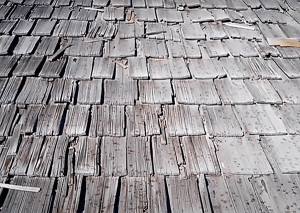
If you have a cedar shake roof near trees, you have likely met the drumming problem. Woodpeckers love cedar for two reasons: sound and food. Shakes installed over spaced strapping create a hollow resonance that makes an irresistible drum, and as cedar ages and decays it hosts the insects and larvae that woodpeckers hunt. The bird is not knocking; it is eating. A wood roof can be riddled with holes in a single season, and every hole is a moisture entry.
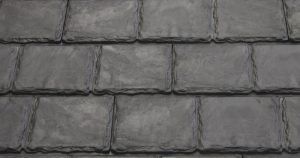
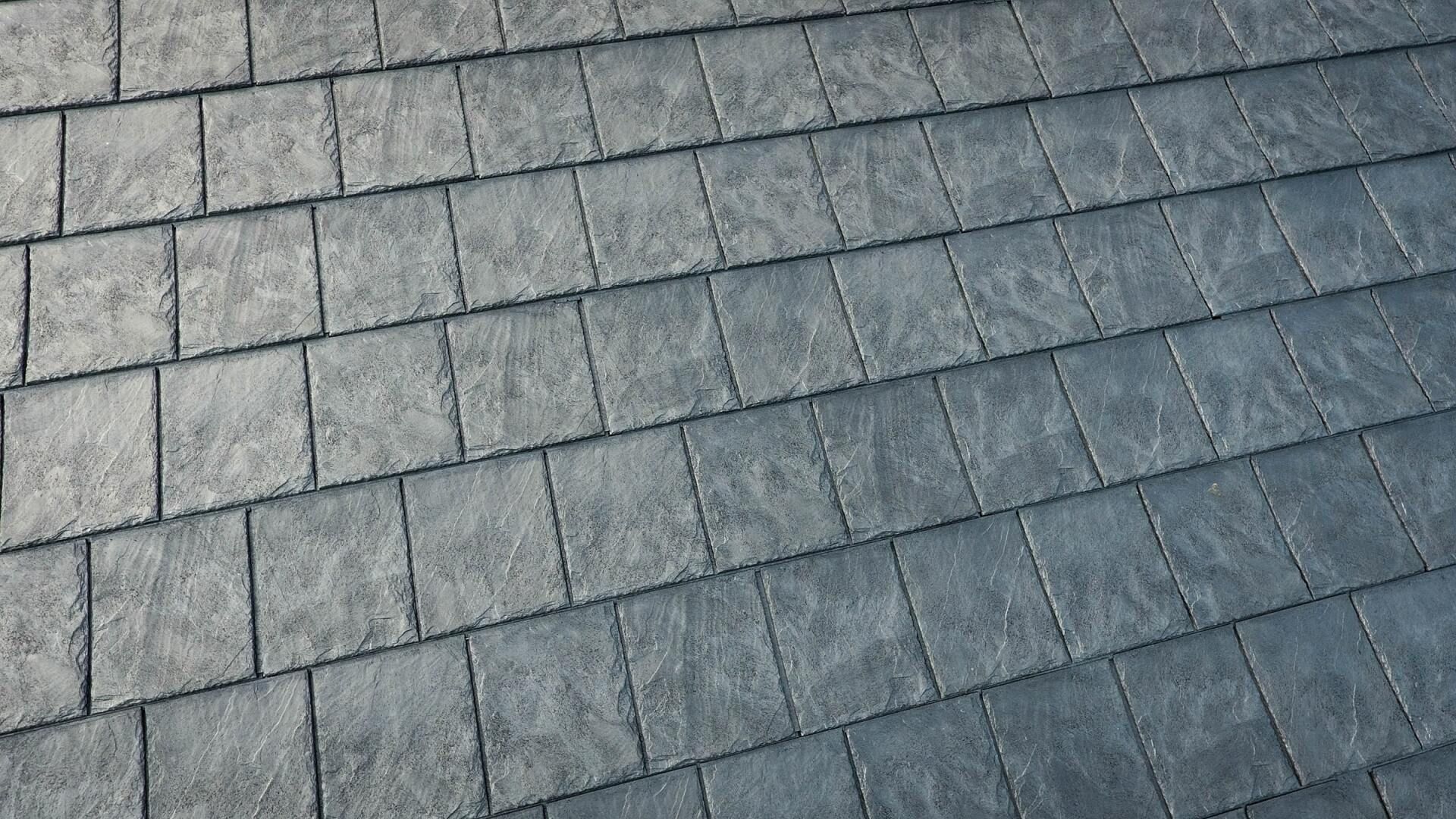
Euroshield® rubber roofing is non-organic. It does not decay, it hosts no insect life, and it does not produce the hollow drum that attracts territorial birds. Most woodpeckers give a rubber roof one unsatisfying tap and move along.
Why Asphalt Fails the Raccoon Test
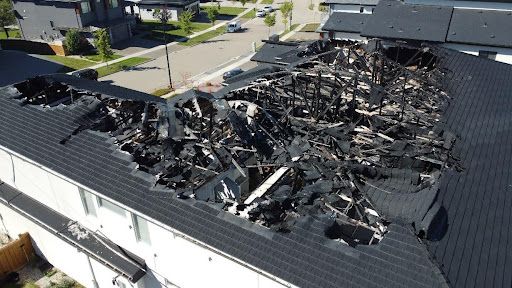
Asphalt shingles offer little resistance to a determined mammal. Squirrels gnaw through the granulated surface and fiberglass mat with ease. Raccoons are worse: they grip shingle edges and shuck them off to reach the deck, usually near a vent or valley, and the damage from one night’s work plus the rain that follows can run thousands of dollars.
Here is the part that surprises homeowners: most home insurance policies exclude vermin and pest damage as a preventable maintenance issue. The raccoon’s hole and the ruined ceiling below it are often entirely out of pocket.
Why Rubber Wins
Euroshield was engineered for the worst that nature throws at a roof, and that includes the wildlife:
- Non-organic composition. Made with 70% recycled tire content, the material offers pests no food, no nesting appeal, and no shelter scent.
- Tear and impact toughness. The same properties that earn a Class 4 UL 2218 impact rating make the surface effectively claw-proof. A raccoon cannot get the purchase to rip it.
- Interlocking panel design. Our locking system eliminates the exposed, liftable edges that rodents and raccoons use as starting points. No edge to bite, no shingle to shuck.
- Sound dampening. Rubber is a natural acoustic dampener. It does not resonate, which makes it a lousy drum and a quieter roof in rain and hail as a bonus.
Peace of Mind in the Woods
You should not have to choose between the trees and a sound roof. A Euroshield system is a permanent answer to the scratching in the attic and the drumming on the eaves, made from a material nature simply cannot beat, and backed by a 50-year warranty.
Dealing with wildlife damage on cedar or asphalt?
Find a Euroshield installer near you
or
request an estimate before the next tenant moves into your attic.