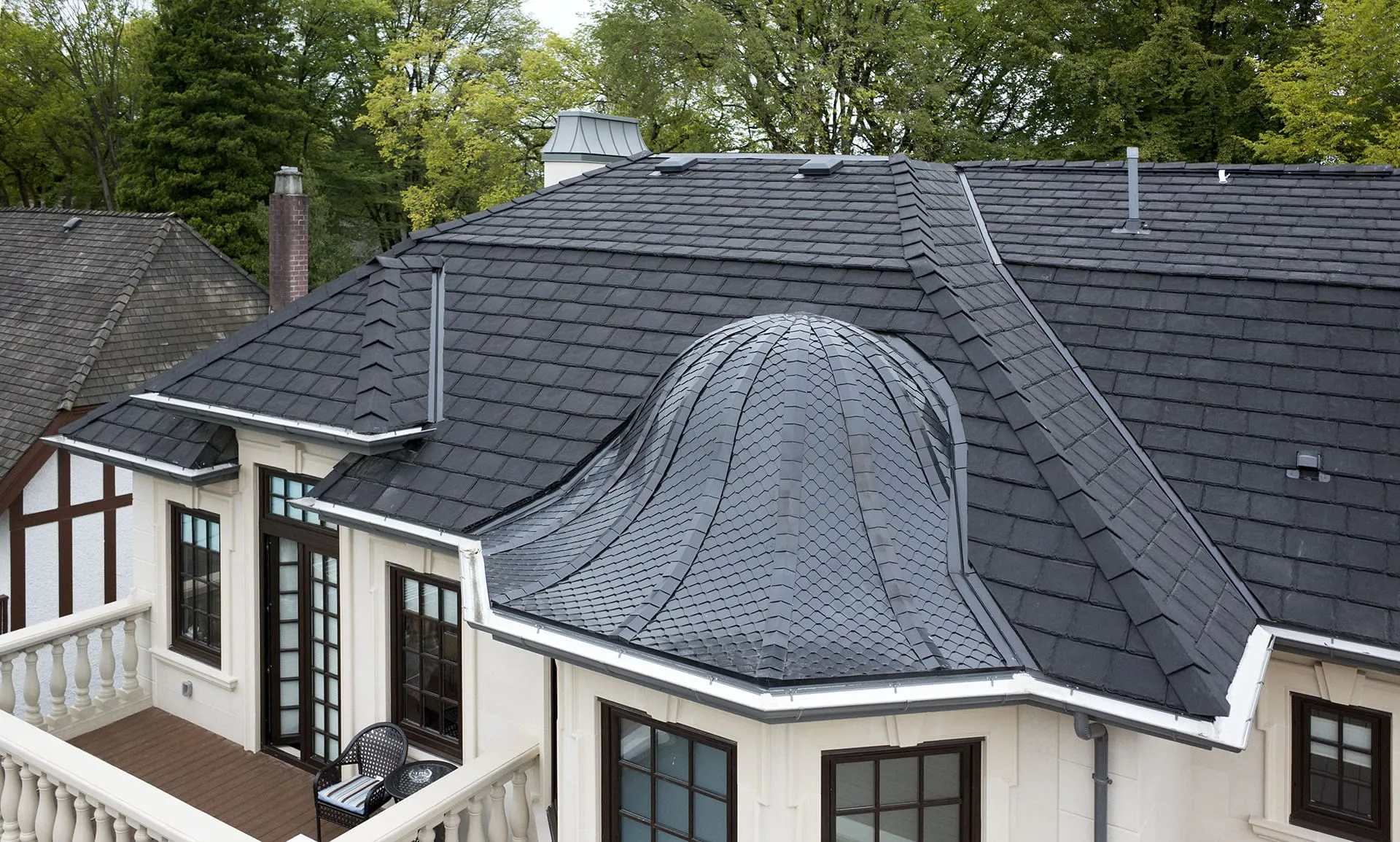
Rubber Roofing vs. Concrete Tile: The Weight and Structure Debate
Rubber Roofing vs. Concrete Tile: The Weight and Structure Debate
When homeowners shop for a premium roof, two contenders often make the short list: classic concrete tile and engineered rubber roofing. Both offer serious curb appeal and long service lives. But there is a debate that happens behind the scenes, between engineers and roofing contractors, that most homeowners never hear about until the quote arrives: the debate over structural load.
The weight of your roof is not a technical footnote. It shapes safety, budget, and the long-term health of the home, especially in snow country.
The Great Weight Gap
Concrete tile: Standard-weight concrete roof tiles typically weigh between 950 and 1,200 pounds per square (a square is 100 square feet of roof area). On a typical 2,500-square-foot home, that is roughly 25,000 to 30,000 pounds of permanent load sitting on the rafters.
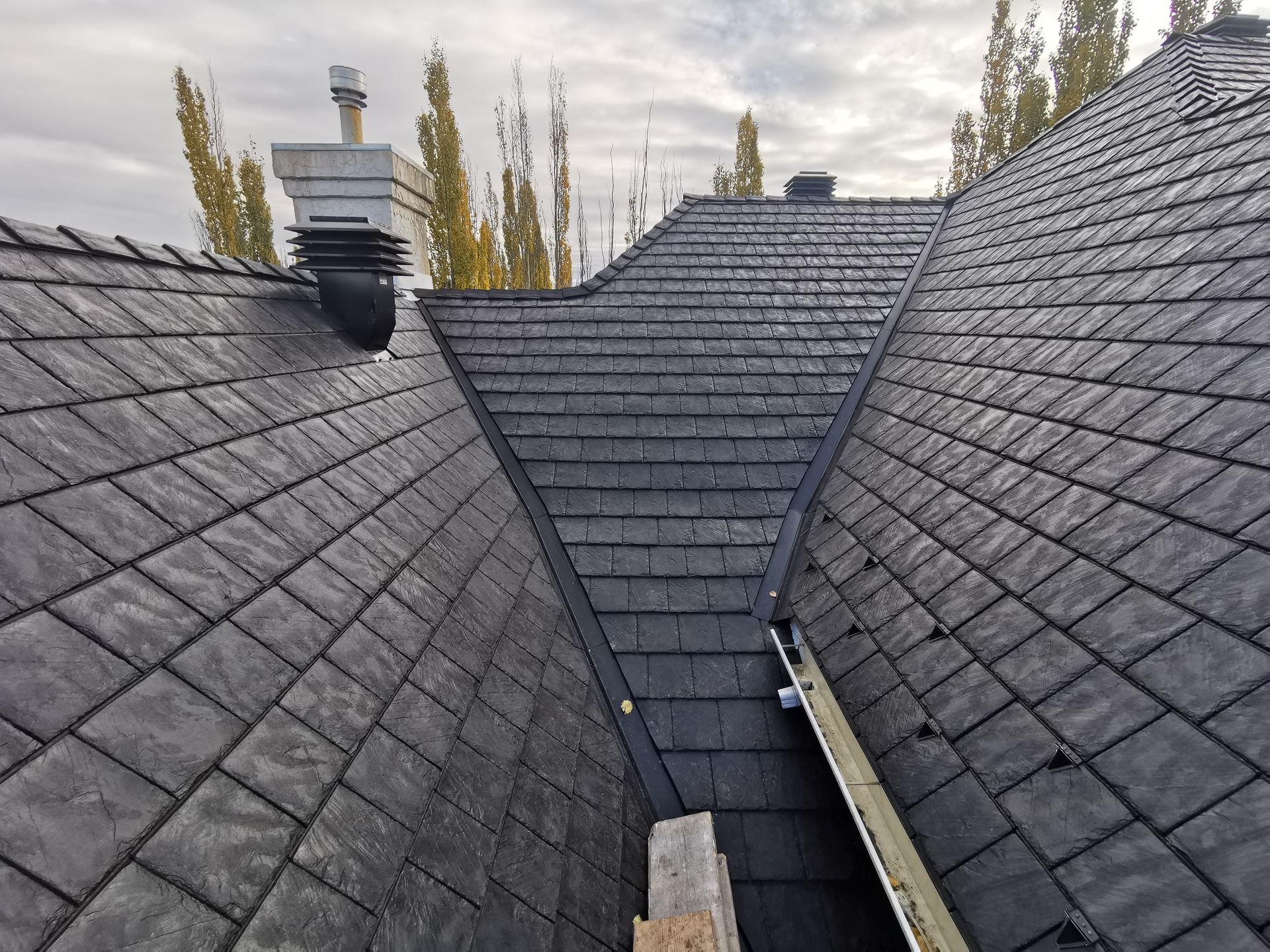
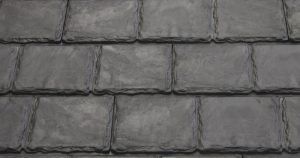
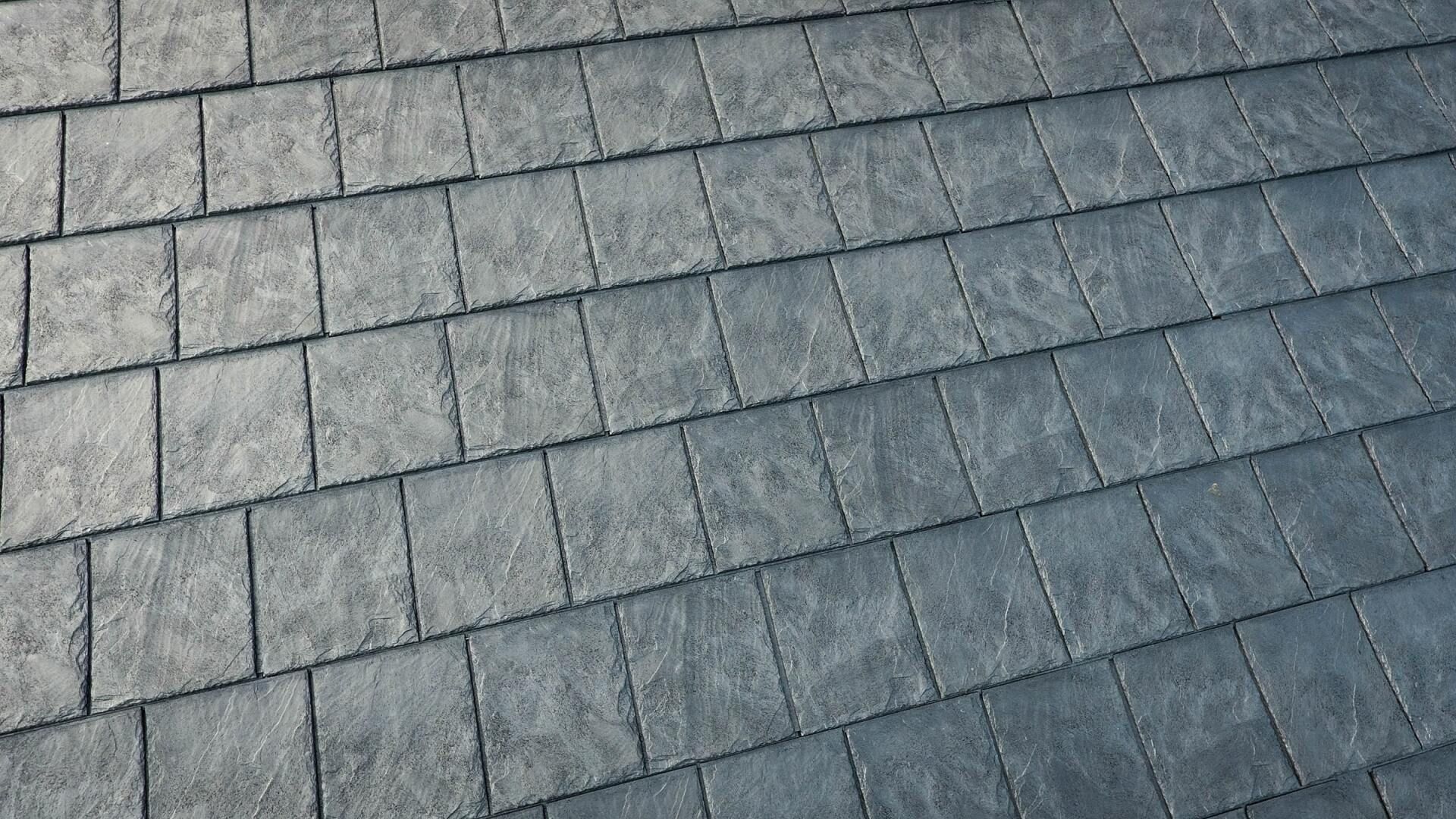
Euroshield® engineered rubber: Depending on the profile, Euroshield products weigh approximately 210 to 340 pounds per square. That is the thick, premium look of tile or slate at roughly a quarter of the weight or less, comparable to a high-quality architectural asphalt shingle.
Think of it as the difference between parking several SUVs on your roof and parking a motorcycle.
The Hidden Costs of Heavy
Most homes built in the last several decades were engineered for asphalt shingles or wood shakes, not stone-weight materials. Upgrading to concrete tile usually is not a simple swap:
- Engineering review. Many municipalities require a structural engineering report before permitting a concrete tile retrofit.
- Truss and wall reinforcement. If the structure is not rated for the load, crews must brace the trusses and, in some cases, reinforce load-bearing walls before a single tile goes up.
- Real money. Structural preparation commonly adds thousands of dollars before the roofing work itself begins.
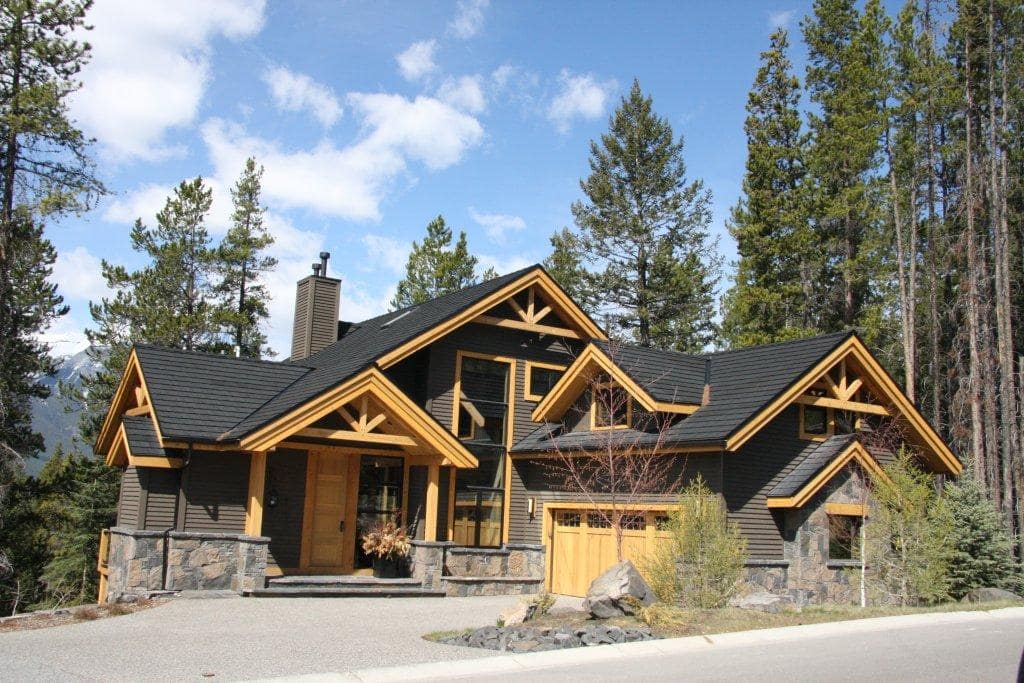
Because Euroshield installs at shingle-class weight, it goes on almost any existing structure without modification. The budget goes to the roof, not to the attic lumber.
The Snow Load Question
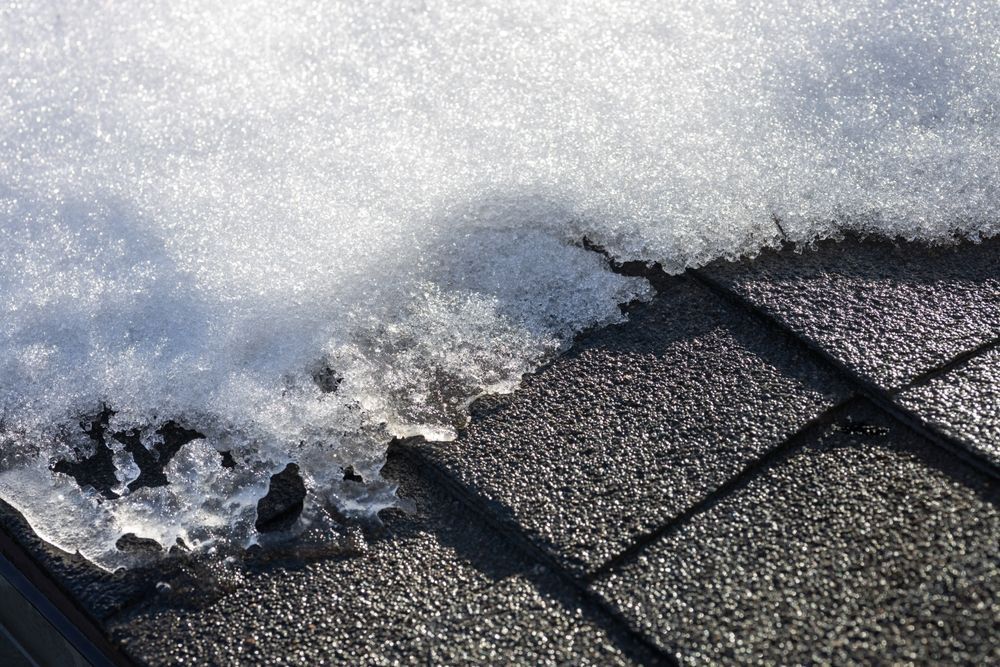
In northern climates, the structure carries two loads: the roof itself and whatever winter drops on it. Building codes require roofs to support significant snow weight. A material that consumes a large share of that structural budget before the first snowflake lands leaves less margin for the heavy, wet spring snowpacks that stress a frame. A lightweight roof preserves that safety buffer.
Hail: Hard vs. Tough
Here is the distinction that matters in hail country: concrete is hard, but rubber is tough.
- Concrete tile is brittle. Large hail causes star cracks and fractures that are hard to spot from the ground but quietly end a tile’s water-shedding ability. Foot traffic during inspections causes its own breakage, because you generally cannot walk on a tile roof safely.
- Euroshield rubber absorbs impact and returns to shape. Every profile carries the Class 4 UL 2218 impact rating, the highest available, and our Vermont Slate HP goes further as the world’s first factory-warranted hail-proof roofing material, guaranteed against impact damage from hail of any size for 20 years. You can walk on any Euroshield roof in any season without cracking it.
Freeze-Thaw and Movement
Rapid temperature swings work materials hard. Concrete expands and contracts significantly, which over the years can loosen fasteners and open gaps between tiles. Rubber is naturally flexible: Euroshield panels move with thermal cycles and return to shape, while the interlocking design maintains the watertight seal and delivers superior wind performance.
The Sustainability Bonus
Concrete production is energy-intensive. Euroshield shingles are manufactured from 70% recycled tire content. An average roof repurposes 250 to 1,000 tires, and even installation scrap can be recycled again.
The Verdict
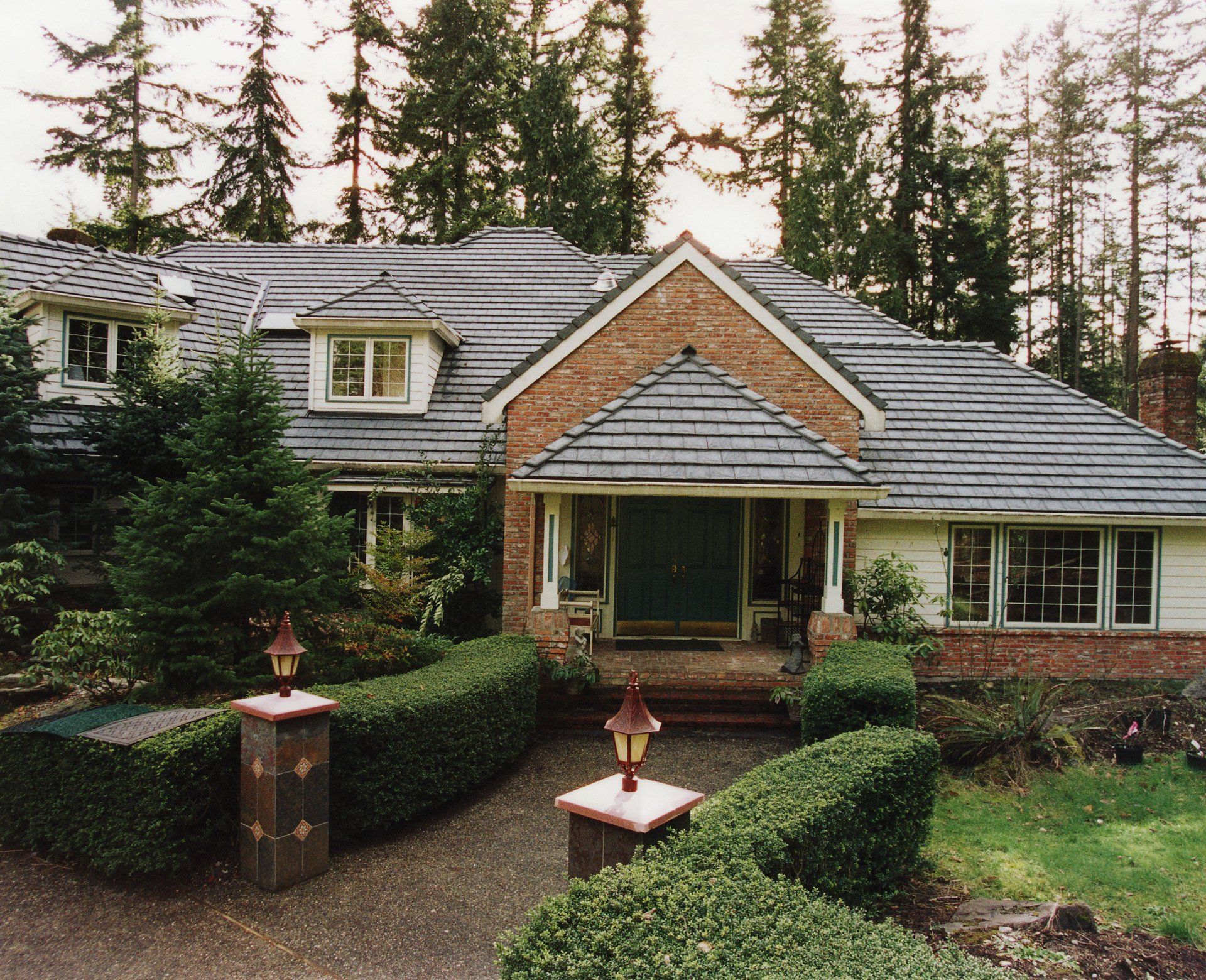
Concrete tile earned its reputation in mild, dry climates. But for homes that face hail, snow load, and freeze-thaw cycling, engineered rubber delivers the same premium aesthetic with a fraction of the weight, none of the structural surcharges, and far better impact performance, backed by a 50-year warranty.
Weighing a premium roof upgrade?
Find a Euroshield installer near you or
request an estimate and get real numbers for your home before you commit to the heavy option.