The Ultimate Ice Dam Prevention Guide for Cold-Climate Homeowners
The Ultimate Ice Dam Prevention Guide for Cold-Climate Homeowners
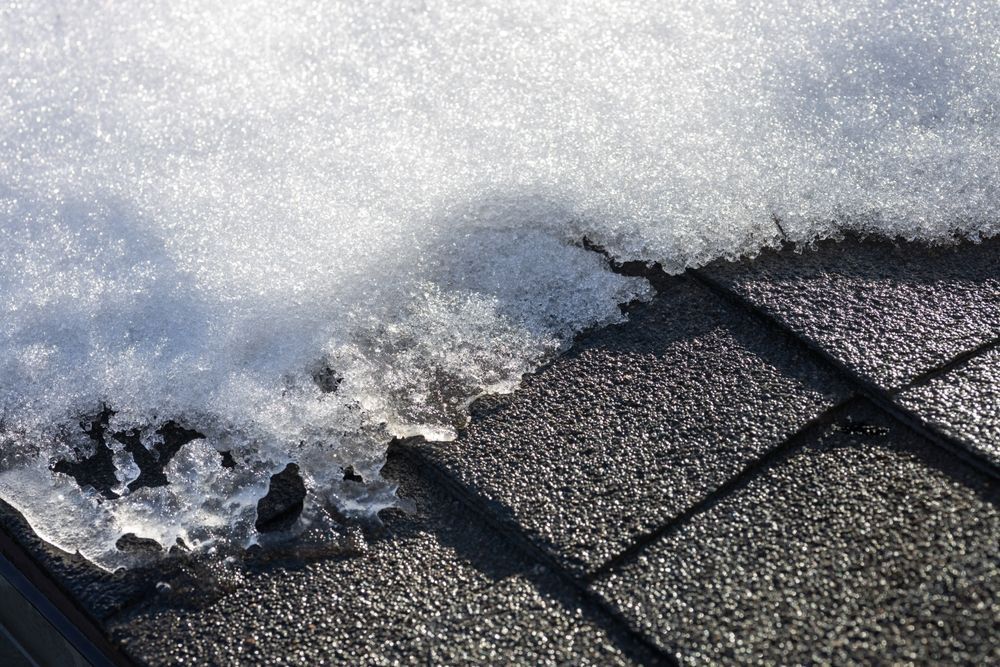
Winter is a beautiful but brutal season for a roof. Across Canada and the northern United States, homes cycle through heavy snowfall, sudden thaws, and hard refreezes, sometimes all in the same week. In Chinook country, where Euroshield® was born, temperatures can swing 20°C in a single day. Those rapid freeze-thaw cycles create the perfect recipe for one of winter’s most destructive roofing problems: the ice dam.
Left unaddressed, ice dams can cause thousands of dollars in damage to attics, insulation, and drywall. Here is why they happen and how to stop them.
What Exactly Is an Ice Dam?
An ice dam is a ridge of ice that forms at the edge of a roof and prevents melting snow from draining. The process works like this:
Heat loss. Warm air leaks from your living space into the attic.
Melting. That heat warms the roof deck and melts the bottom layer of snow.
Refreezing. Meltwater flows down to the eaves, which sit past the heated walls of the house and stay cold, and refreezes into a thick band of ice.
The dam effect. The ice ridge grows, trapping a reservoir of liquid water behind it that eventually works its way under the roofing material and into the home.
The damage is rarely dramatic at first. It is a slow stain on a ceiling, saturated insulation quietly losing its R-value, or mold getting a foothold in the attic. By the time it is visible, the repair bill for roof and interior water damage commonly runs into the thousands.
Four Proven Steps to Prevent Ice Dams
The goal of ice dam prevention is simple: keep the roof deck cold.
1. Air seal and insulate the attic. The most effective fix happens inside. Seal attic bypasses (gaps around chimneys, light fixtures, and plumbing stacks) and bring insulation up to the recommended level for your region. In most cold climates that means R-50 to R-60, distributed evenly and covering the top plates of exterior walls.
2. Balance your attic ventilation. A healthy attic breathes: soffit vents draw in cold air, and ridge or gable vents exhaust it. That steady airflow whisks away any heat that escapes into the attic before it can melt the roof snow.
3. Keep gutters clear. Clogged gutters are the ice dam’s best friend. If meltwater has nowhere to go, it sits at the roof edge and freezes. Clean gutters every fall before the first lasting snow.
4. Rake heavy snow off the eaves. After a major snowfall, use a telescoping roof rake from the ground to clear the first three to four feet above the eaves. Never climb onto a snowy or icy roof.
Where Your Roofing Material Comes In
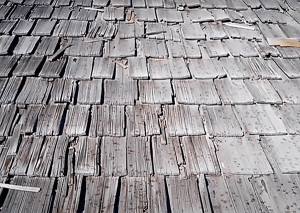
Insulation and ventilation are the foundation, but the material on your roof determines how gracefully it survives the freeze-thaw fight. Traditional asphalt shingles suffer thermal shock during rapid temperature swings: they crack, lose granules, and open seams that are happy to collect backed-up water.
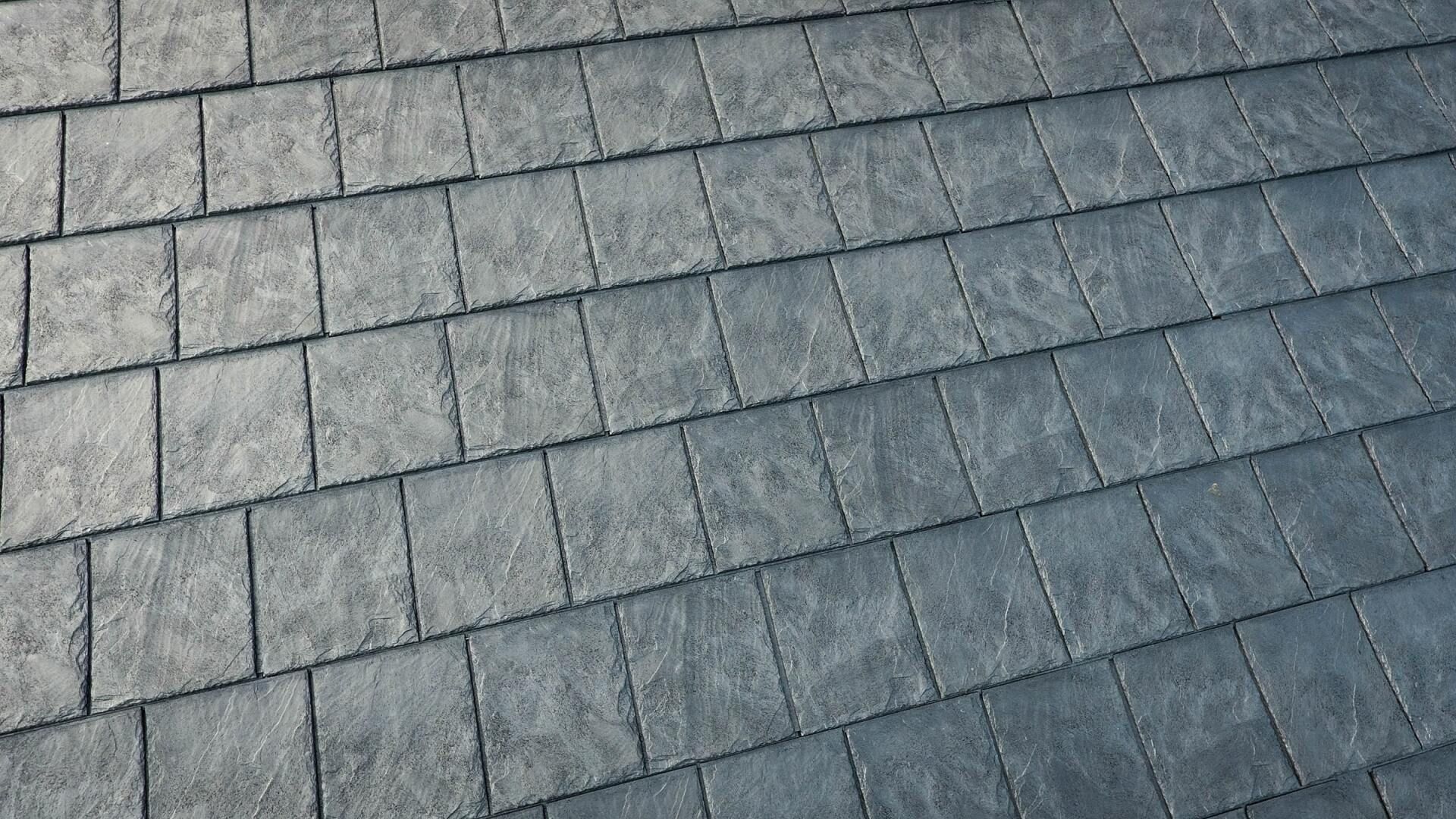
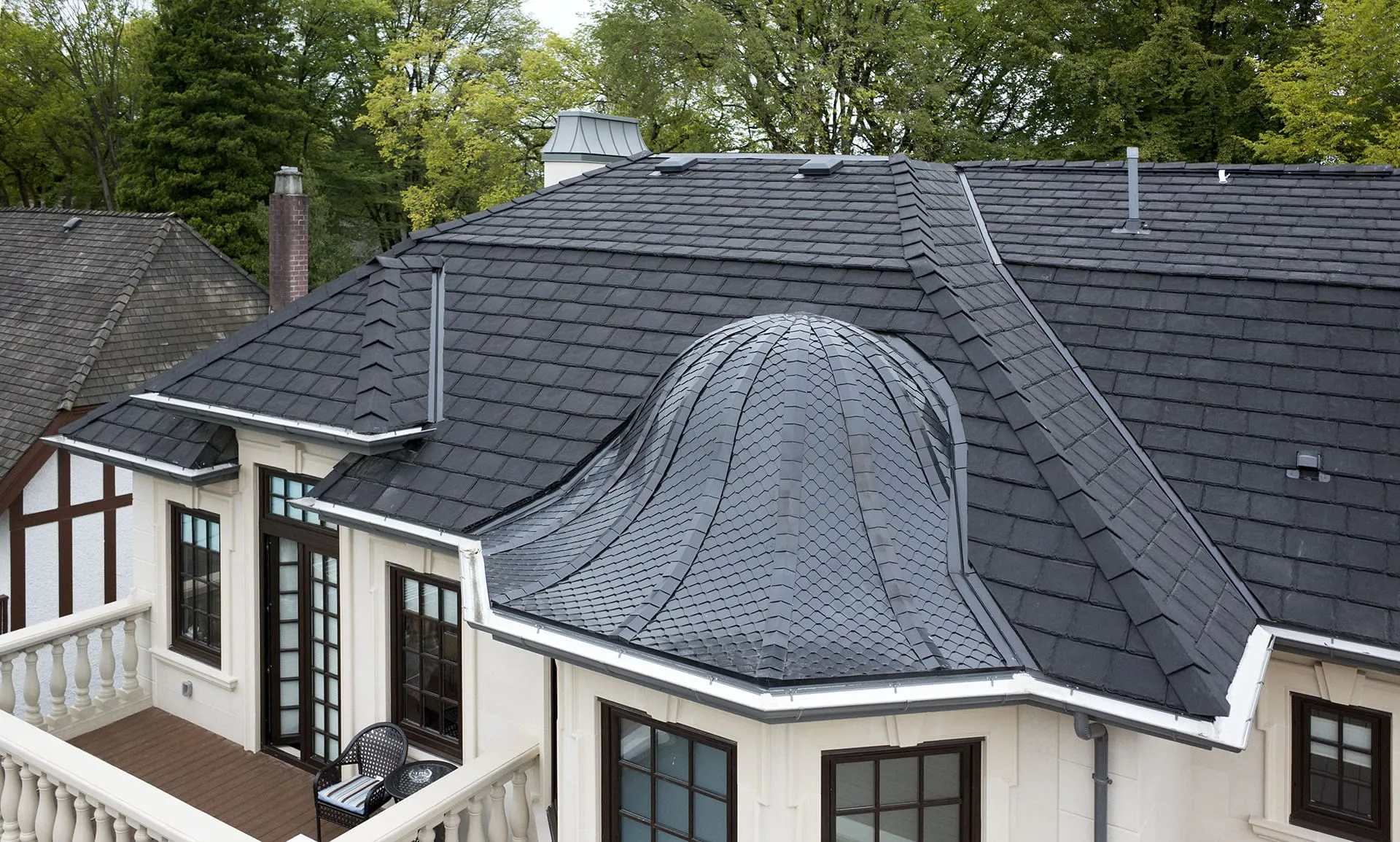
Euroshield rubber roofing was engineered in one of the harshest freeze-thaw climates in North America, and it brings three advantages to winter:
Flexibility across extremes. Tire rubber is designed to stay flexible from -40°C to summer pavement heat. Euroshield shingles expand and contract with the Chinook cycle without cracking.
An interlocking seal. Our panel design locks together tightly. Even when ice forms at the eaves, backed-up water has a far harder time penetrating than it does with standard overlapped shingles.
Winter-long durability. The same Class 4 UL 2218 impact rating that shrugs off hail also handles falling ice, dropped tools, and foot traffic from safe winter maintenance.
Protect the Whole Thermal Envelope
Ice dam prevention is a system: seal the attic, ventilate the deck, clear the drainage, and put a material up top that treats freeze-thaw as its home turf rather than its enemy. Do those four things and you can stop dreading the drip when the temperature jumps in February.
Want a roof that is built for winter?
Find a Euroshield installer near you or
request an estimate
to talk through the right profile for your climate.