Euroshield Roofing Is Your Best Protection Against Straight Line Winds
Heat, hail, snow, and storms take a toll on your roof and your wallet. Storms are especially dangerous because so many elements can damage your roof— specifically winds. Here’s what you need to know about straight line winds and which shingles offer the most protection.
What Is Straight Line Wind?
A storm with winds higher than 58 mph is considered severe. Straight line winds are non-rotational winds produced by a severe shower or thunderstorm. These winds can reach 58 mph to 165 mph, ripping off roofs, breaking windows, and tossing around debris as easily as tornadoes.
Straight Line Winds Vs. Tornado
Where downbursts and other straight line winds can be widespread, tornados are narrow, violent columns of wind compared to the storm that spawns them. Tornado winds can exceed 300 mph, making them extremely powerful and potentially deadly. While straight line winds are not rotational, they can do just as much damage and over a wider area.
Main Types Of Straight Line Wind
- Downdraft - These winds form in small columns and quickly sink from the cloud to the ground.
- Downburst - These are localized winds caused by a downdraft within a storm. They are further categorized as micro and macro downbursts. According to the NOAA, macroburst winds spread out from their initial land contact and can occur in weak rain showers. Microburst winds, on the other hand, are smaller, last about five to ten minutes, and can exceed 100 mph.
- Derecho - Derechos are windstorms that contain straight line downdrafts, microbursts, and downbursts. They can spread over 240 miles and have 58 mph or higher gusts across the entire storm area.
For example, several recent storms in the U.S. and Canada have produced damaging, sustained, straight line winds. Microblast winds are most common in the Great Plains region west of the Rockies, causing widespread damage in 2020. Calgary was hit with two major summer storms in 2022; both reportedly dropped hail, while straight line winds of up to 75 kpm caused massive damage and electric hazards.
Three Ways Wind Damages Your Roof
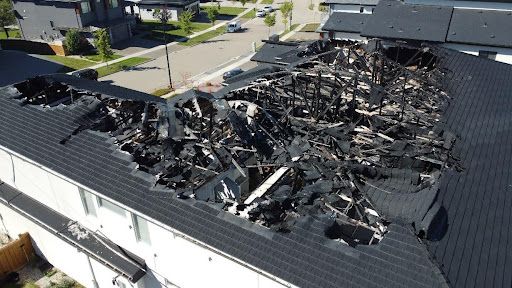
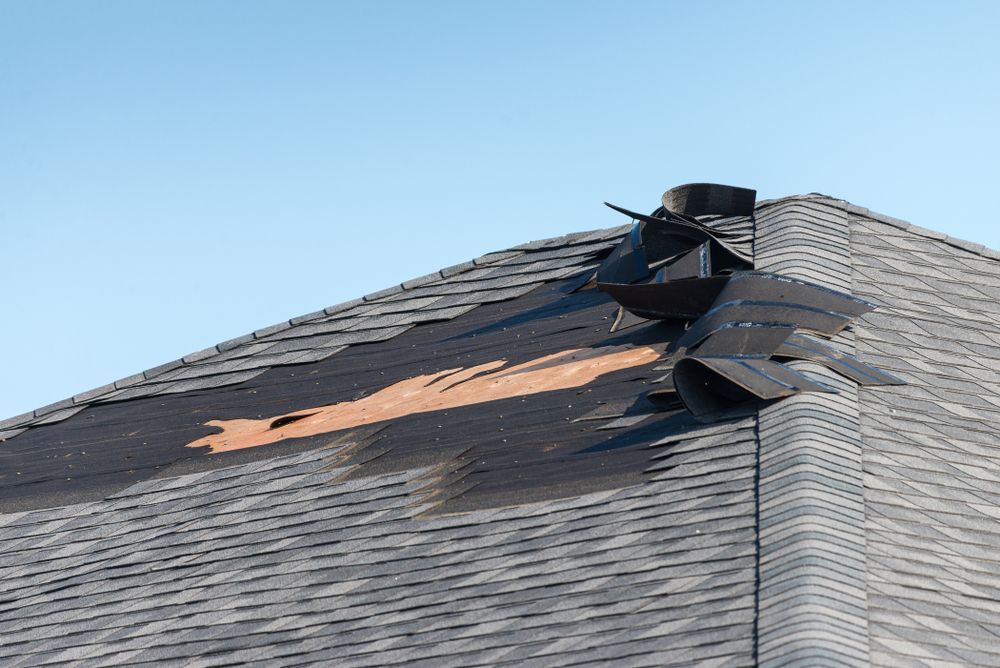
All wind has the potential to damage roofs. Besides a complete roof failure during a tornado, there are specific types of wind damage roof inspectors look for after a storm.
- Bend back Shingles - Very common with asphalt shingles, shingles become unsealed due to the pressure and may bend, warp, or crease due to straight line winds.
- Uplift - Wind pressure can cause damage to the single seal, allowing air to get in and lift the shingle, further separating it from the room. Roof uplift, where the wind lifts the entire roof, can also occur depending on wind speeds.
- Tear-off - This occurs when the wind is strong enough to tear shingles, metal panels, tile, or shakes from the roof.
It’s important to note, according to the Southern Loss Association,
shingle curling is the result of consistent wind uplift rather than straight line wind damage. Secondly, the International Institute of Building Enclosure Consultants (IBEC) used
empirical testing to show that sealed asphalt shingles are still weakened during a wind uplift event.
How Much Wind Can Your Roof Withstand?
Straight line wind damage can be costly. Choosing a shingle that can withstand up to constant bursts of 60 mph to 100mph is crucial to protecting your home and your family.
- Asphalt Shingles - Standard asphalt shingles can withstand winds up to 60 mph.
- Metal Roofs - Metal roofs are rated for wind speeds of 140 mph.
- Tile Roofs - Tile or clay roofs can withstand wind speeds of 150 mph.
- Slate Roofs - Slate roofs can withstand speeds of 160 mph.
- Shake Roofs - Shake roofs can withstand speeds of up to 173 mph.
Euroshield Is The Best Shingles For Your Roof
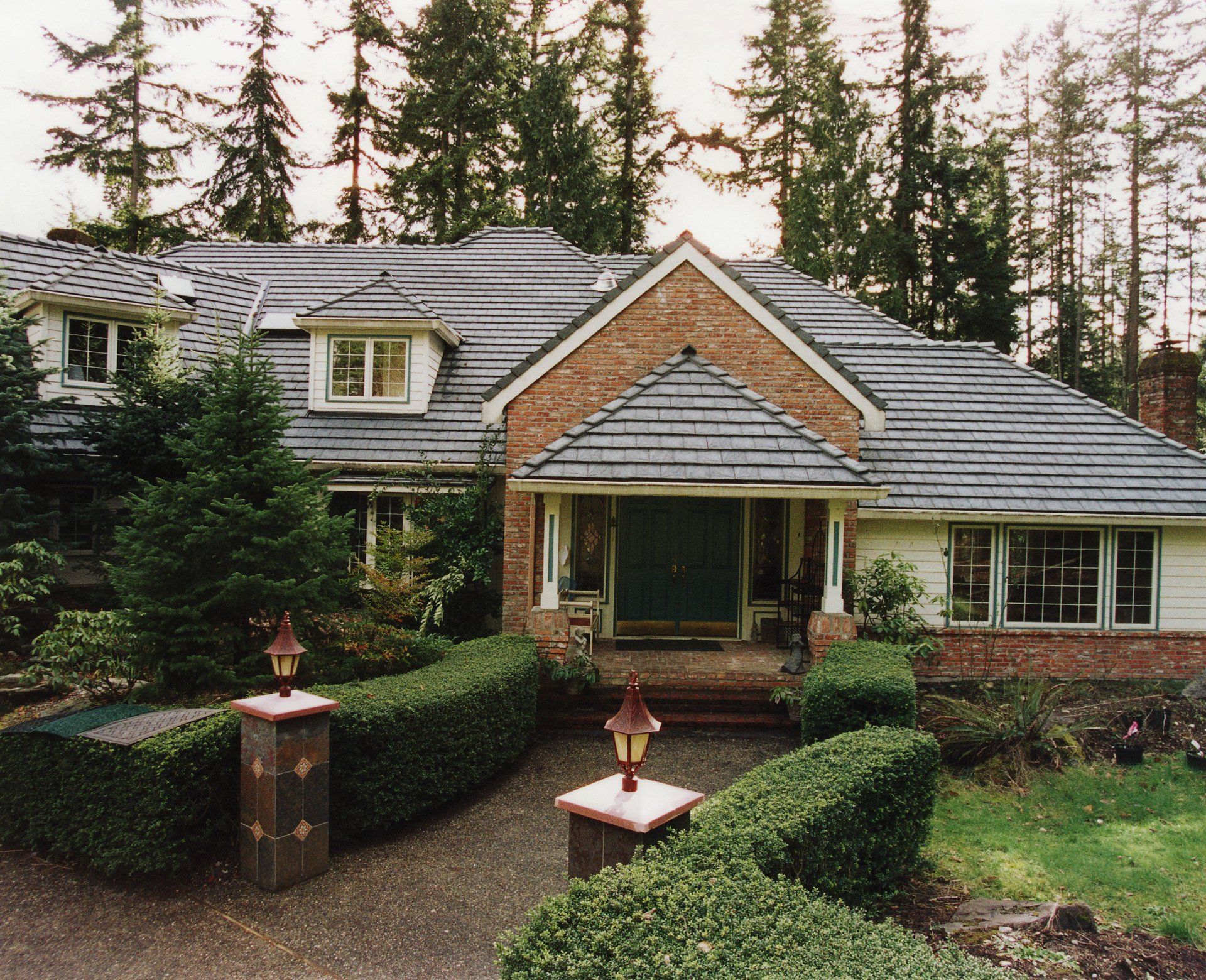
You can take steps to help minimize windstorm damage on your roof. Having the strongest, most wind-resistant shingle is your best defense. Euroshield Roofing provides superior wind performance, especially against uplift, straight line, derecho, or microburst.
Euroshield roofing dominates other types of roofing with an industry-leading
Class 4 impact rating against
hail and wind speed resistance of up to 170 mph. Our unique
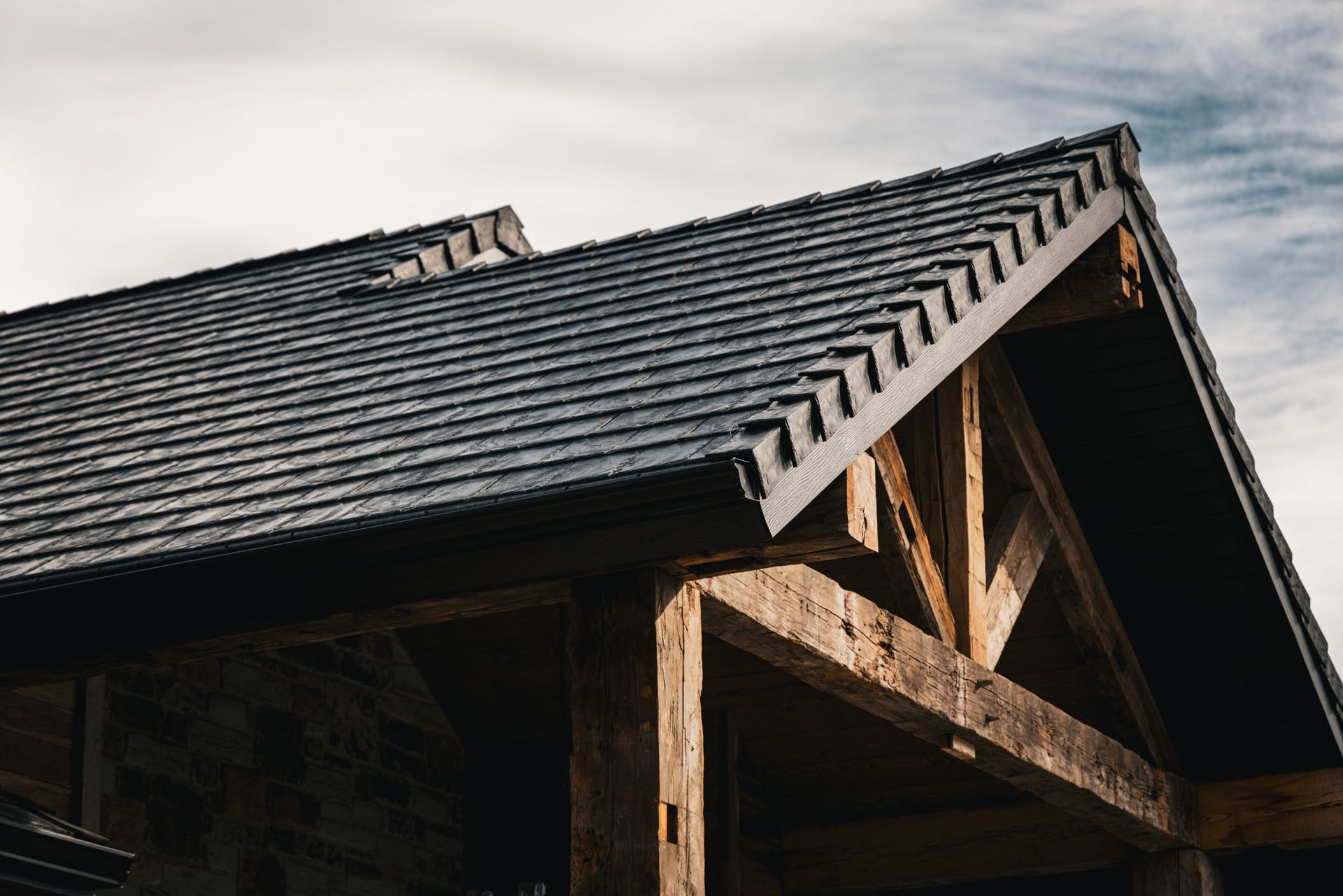
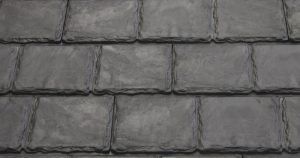
tongue and groove design gives our
strong rubber shingles the edge when it comes to wind resistance.
Tested using the standard ASTM D3161/D3161- 14 and modified ASTM D3161 testing models,
Euroshield products Rundle Slate and Ranchland Shake shingles easily held up against 150 mph for two hours, while Vermont Slate, Vermont Slate HP, and Beaumont Shake remained in place when faced with 160 mph winds for two continuous hours.
Get A Free Estimate For Euroshield Roofing
Euroshield can protect your family from dangerous weather while putting money back in your pocket when it comes to repairs. Also, our products are eco-friendly, made from 95% recycled material, and
100% recyclable. Find a Euroshield Roofing
installer near you, or contact our team for a
free estimate.